


















Discover the story of William the Conqueror, the Duke of Normandy who became King of England, and who shaped the city of Caen into what it is today.
William: From Bastard to Conqueror
Discover the life of William the Conqueror through key dates.
The Birth of a Duke
- c.1027 | Born near Falaise Castle. He is the son of Robert the Magnificent, Duke of Normandy, and Arlette, the daughter of a tanner. Born out of wedlock to a commoner mother, William is nicknamed “the Bastard.”
- 1035 | William is only 8 years old when his father dies while returning from a pilgrimage to the Holy Land. William succeeds him and becomes William II, Duke of Normandy.
- 1040-1047 | Numerous plots and rebellions are led against William by Norman aristocrats. The unrest ends with the Battle of Val-ès-Dunes (1047), where William defeats the rebels of western Normandy with the help of the King of France, Henry I.

A Controversial Marriage
- 1049 |William marries Matilda of Flanders, daughter of the Count of Flanders and niece of the King of France, Henry I. Pope Leo IX forbids the arranged marriage due to their close kinship (they are fifth cousins) as well as political reasons.
- 1051-1052 | King Edward the Confessor of England promises that William will inherit the English crown after his death.
- 1053 | The Church finally approves the marriage of William and Matilda in exchange for a promise to build four hospitals and two monasteries.
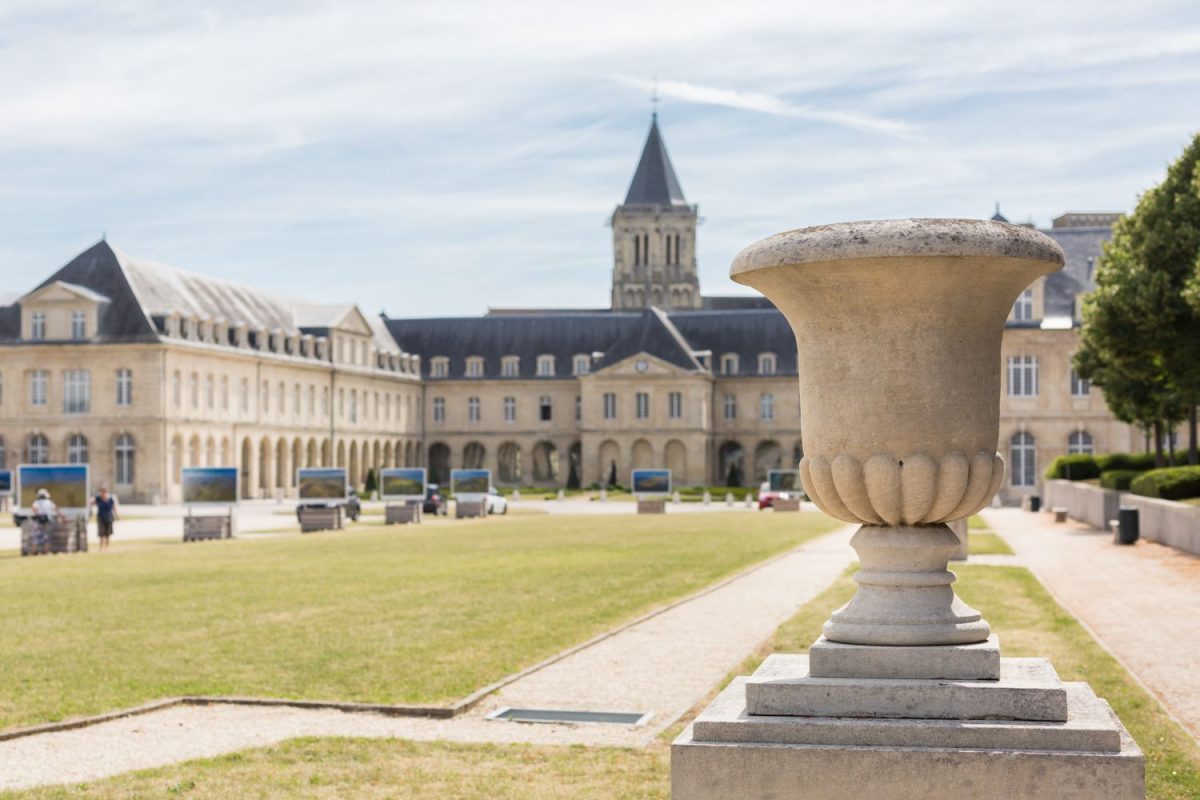
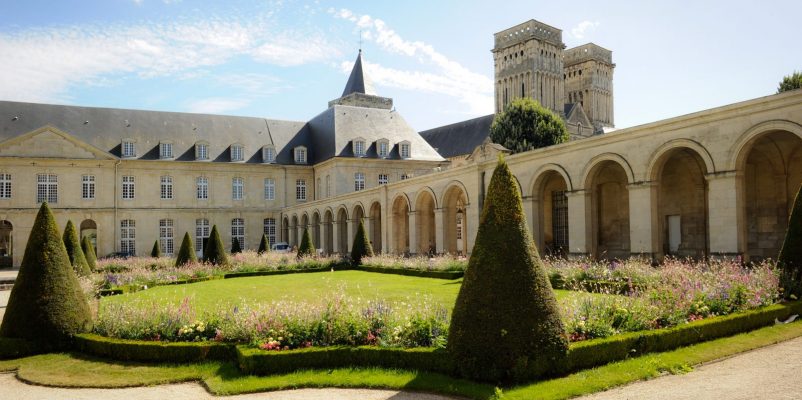
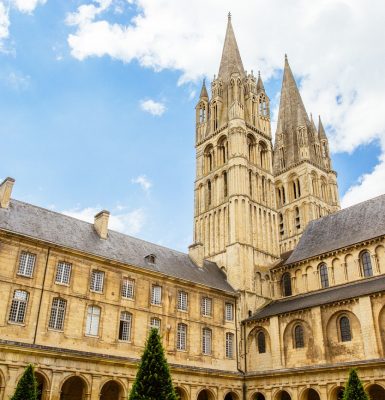
- 1059 | Construction begins on two major monuments in Caen:
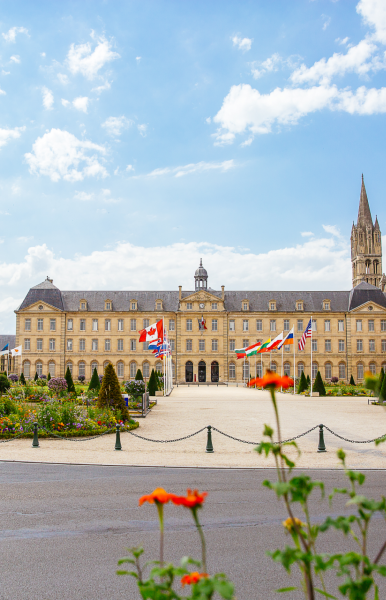
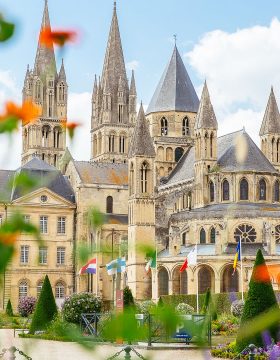
- the Abbey of Saint-Étienne (Abbaye aux Hommes)
- the Abbey of the Holy Trinity (Abbaye aux Dames)
![Abbaye aux Hommes de Caen]()
©Caen la mer Tourisme / Les Conteurs ![Parc Michel d'Ornano Caen]()
©Caen la mer Tourisme

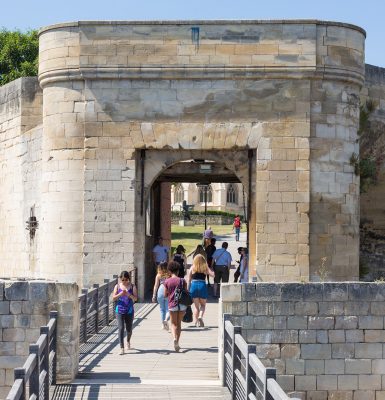
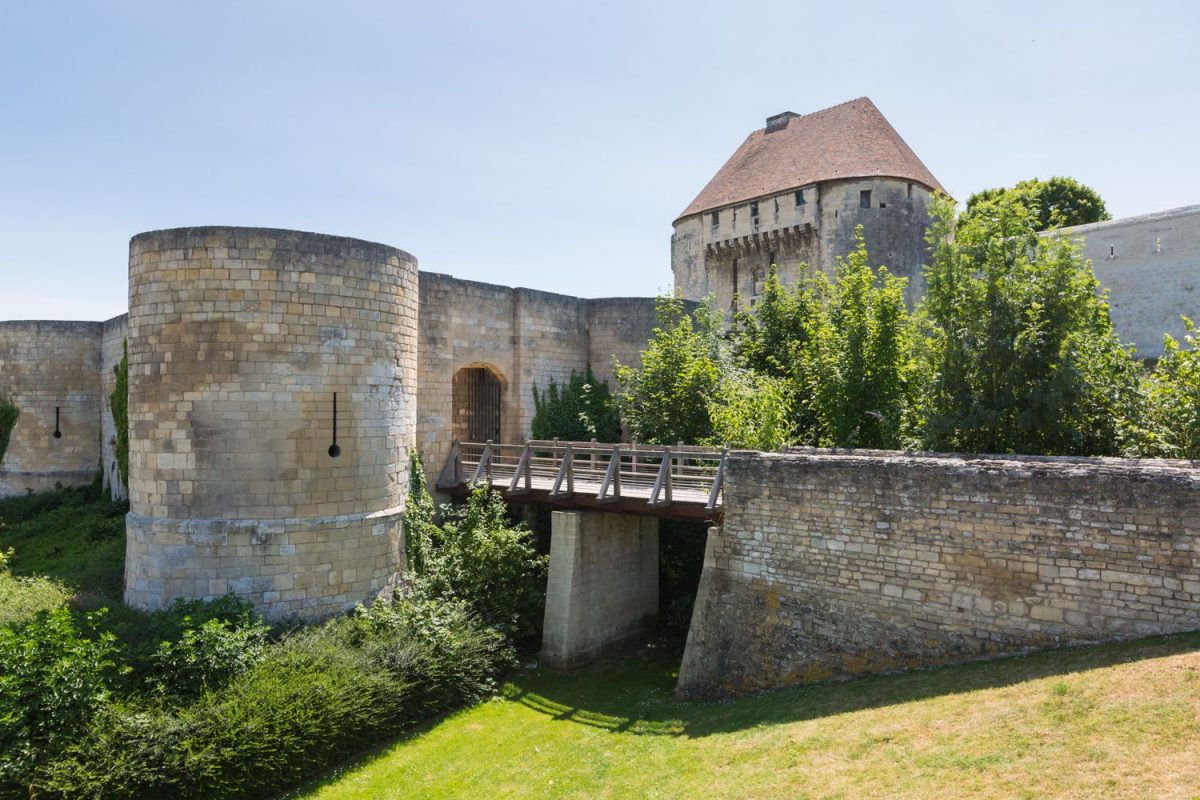
- 1060 | Construction begins on the Castle of Caen, whose walls and part of the buildings still remain today.
The Conquest of England
- 1066, January | King Edward the Confessor of England dies. Harold, an Anglo-Saxon nobleman, succeeds him despite having sworn to support William’s claim to the English throne.
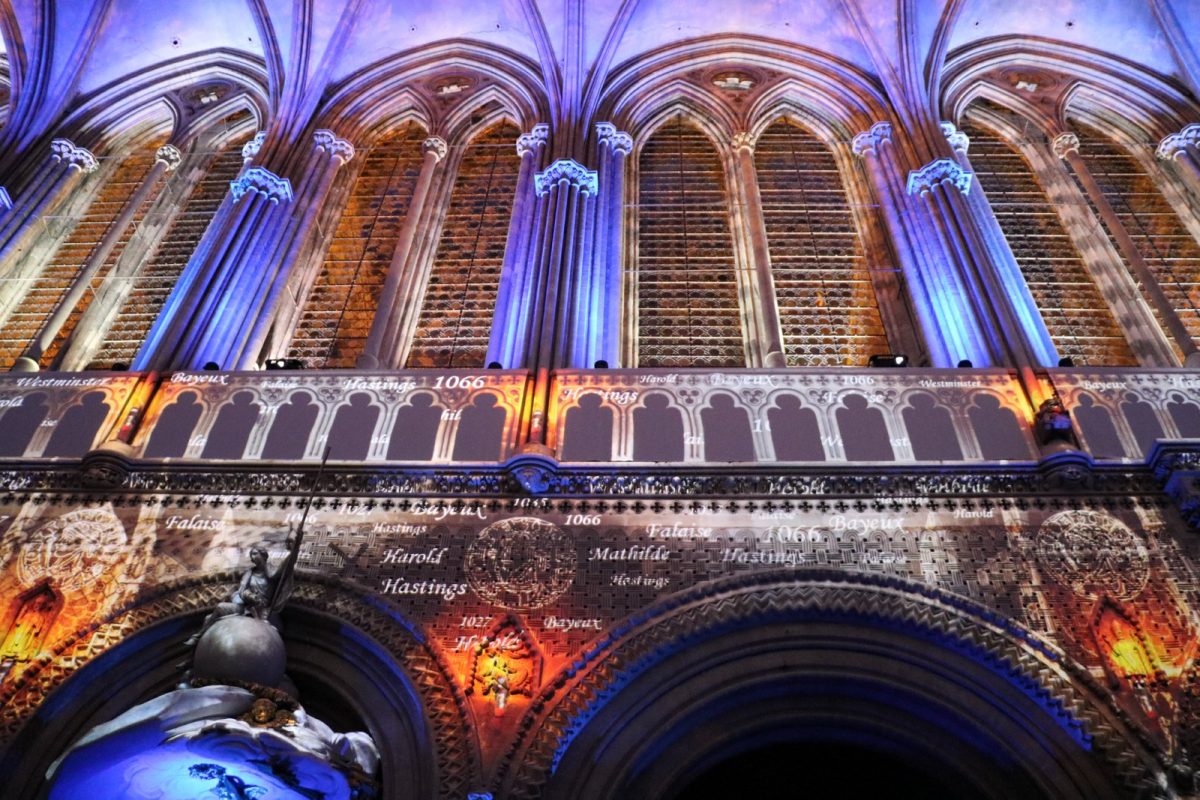
- 14 October 1066 | After landing in England, William and his army defeat Harold at the famous Battle of Hastings. The story of this legendary battle is famously depicted in the Bayeux Tapestry.
- 25 December 1066 | William is crowned King of England at Westminster Abbey in London at the age of 38. He becomes King William I. That same year he orders the construction of a new castle, now known as the Tower of London.
- 1083 | Queen Matilda dies and is buried in the choir of the Abbaye aux Dames in Caen.
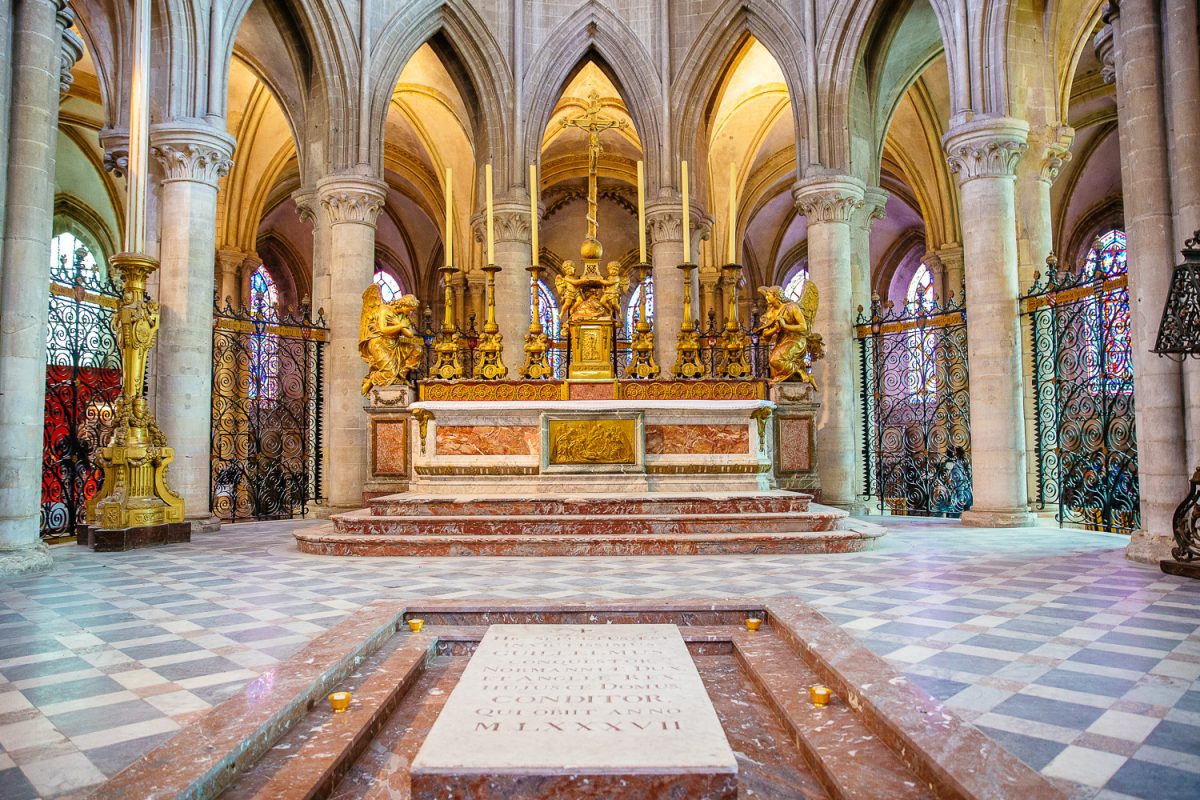
- 9 September 1087 | William the Conqueror dies at the age of 59. He is buried in the choir of the Abbaye aux Hommes, which he founded.
His eldest son Robert Curthose becomes Duke of Normandy, while his second son William Rufus succeeds him as King of England.
The Legacy of William in Caen
Normandy, the cradle of a king
The epic story of the Conqueror unfolds across three emblematic Norman cities: Falaise, Caen, and Bayeux.
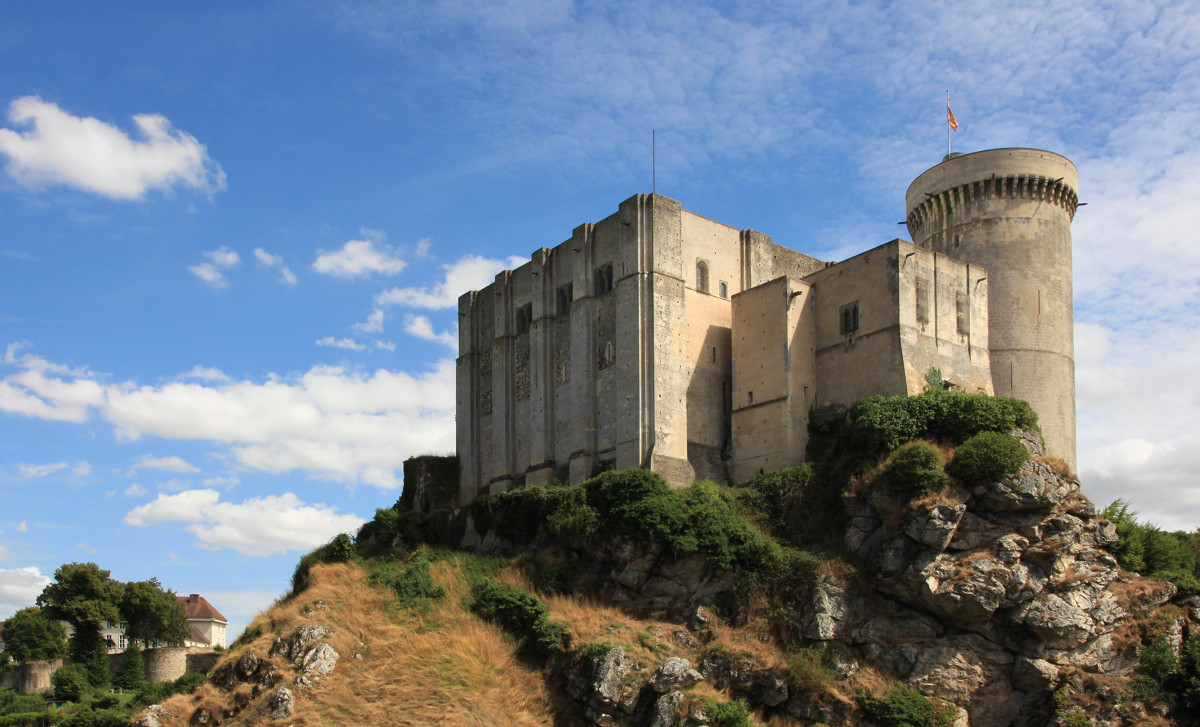
Falaise: where it all began
Falaise Castle, proudly standing on its rocky promontory, preserves the origins of the future king. Thanks to immersive digital reconstructions, visitors can discover the daily life of the young William and the early steps of his extraordinary destiny.
Caen: The Duke’s capital
A few years later, William makes Caen the center of ducal power. He builds two iconic monuments there:
- Abbaye aux Hommes, where he is buried today
- Abbaye aux Dames, founded by his wife Matilda
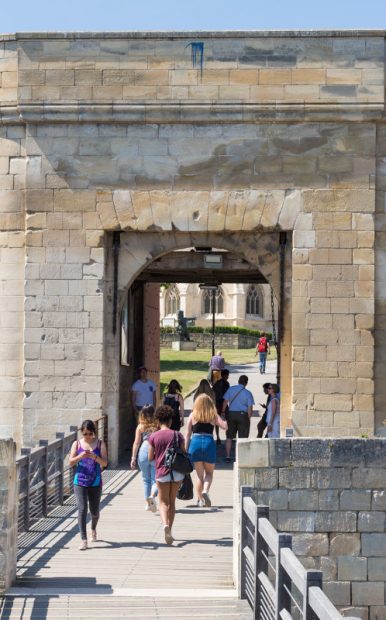
The Castle of Caen, one of the largest fortified castles in Europe, still reflects the power of the duke and the influence of medieval Normandy. Within its walls stands the Normandy Museum.
In 2022, an equestrian statue of William and Matilda was unveiled at the foot of the castle. It pays tribute not only to the royal couple but also to Queen Matilda’s crucial role, as she governed the duchy during William’s absences in Normandy.
Bayeux: The memory of the conquest
In Bayeux lies the famous Bayeux Tapestry, a UNESCO-listed masterpiece. Nearly 70 metres long, it tells the entire story of the conquest of England — a fascinating tale woven with courage, strategy and ambition.
Bonus : Stories and anecdotes
Why does the story of William the Conqueror still fascinate us so much?
Because William embodies the spirit of the Middle Ages: ambition, courage, faith and political acumen. His journey from illegitimate child to crowned king at Westminster remains a spectacular rise to power, symbolising Norman success and determination. A series entitled “King and Conqueror”, released in 2025 on Canal+, is dedicated to him.
Was William the Conqueror a Viking?
He was the great-great-great-grandson of Viking chief Rollo, the first Duke of Normandy. So he does indeed have Viking origins.
How did William prepare for the conquest of England?
Before crossing the English Channel, William built a colossal fleet of around 700 ships at the mouth of the River Dives. He gathered knights, archers and craftsmen from across the duchy. According to chronicles, his army was blessed by the Pope, giving his expedition the character of a crusade before its time.
How did the Battle of Hastings unfold?
On 14 October 1066, after a full day of fighting, Norman troops routed King Harold’s army. William is said to have been struck by several arrows in his shield and his horse, but never gave up. Harold is said to have been killed by an arrow to the eye. His victory made William the first king of England of French origin.
How did William the Conqueror die?
In the summer of 1087, during a military campaign near Rouen, William fell from his horse and was mortally wounded. He died after a long agony on 9 September 1087. His end was tragic: his body remained unburied for some time, and his funeral in St Stephen’s Church in Caen was marked by an incident: the coffin, which was too small, broke under the pressure.
Where are the tombs of William and Matilda?
William’s tomb is located in the choir of the Abbey Church of Saint Stephen at the Abbaye aux Hommes. Plundered during the Wars of Religion, only William’s left femur remains today.
Matilda’s tomb is housed in the choir of the Abbey Church of Ste Trinité at Abbaye aux Dames. Made of black marble, the tombstone is the original and Matilda’s remains are complete, unlike those of William.