"The human body is capable of adapting to any environment!" - Really? Not so sure! In Caen, the COMETE laboratory is immersing the human body in extreme conditions. During this evening, three researchers will take you on a thrilling journey, deciphering the effects of weightlessness on astronauts and of sleep deprivation on brain function. Extreme conditions for an extremely exciting evening!
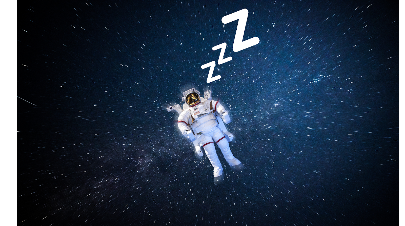
Adéla and Paola Kola - PhD students - Université de Caen -Laboratoire COMETE: A small step for the astronaut, a big risk of falling! Imagine being an astronaut in space, floating and enjoying a view of the earth. But at the same time, your senses are impaired, your muscles work less and your bones become brittle, even with intense training. When you land on Earth or Mars, standing upright is a major challenge. How does the body adapt to an environment where gravity is almost non-existent?
Paul Dequidt - PhD student - University of Caen - COMETE laboratory: Oops! I slept through my MRI... A functional MRI scan takes a long time. You have to lie still, snug and warm with a blanket... But you're not allowed to fall asleep! Functional MRI allows us to see the activity of the brain, which changes when we fall asleep. If you doze off in MRI, you introduce a bias into the measurements, which we need to characterise. On the programme: sleepiness, neuroscience and physiology.
This meeting is organised as part of the "Pint of Science" festival. Find out more about the programme of events in Normandy.